





Staying active outdoors does not have to mean running long distances, climbing steep trails, or taking part in demanding sports. Low-impact activities offer a comfortable way to enjoy movement while spending time outside. They can be adapted to different ages, fitness levels, weather conditions, and personal interests.
From spring walks to winter nature outings, every season provides opportunities to stay active. The key is choosing activities that feel manageable, preparing for the conditions, and making movement an enjoyable part of your routine.
Why Choose Low-Impact Outdoor Activities?
Low-impact activities place less stress on the joints than many high-impact exercises. They often involve steady, controlled movements and can be adjusted to match your comfort level.
Outdoor activities also offer benefits beyond physical movement. Time outside can provide a change of scenery, encourage a regular routine, and create opportunities to connect with friends or family. Even a short outing can help break up a day spent indoors.
Consider these advantages:
– Easy to adapt to different experience levels
– Suitable for solo outings or group activities
– Often affordable and simple to begin
– Available in many neighborhoods and public spaces
– Flexible enough for different seasons
– Encourages regular movement without intense equipment
Before beginning any new activity, start at a comfortable pace and pay attention to how you feel. Choose routes, surfaces, and conditions that match your current level of experience.
Spring Activities: Welcome the New Season
Spring brings longer days, milder temperatures, and fresh growth in parks and gardens. It is an ideal time to build an outdoor routine gradually.
Nature Walks
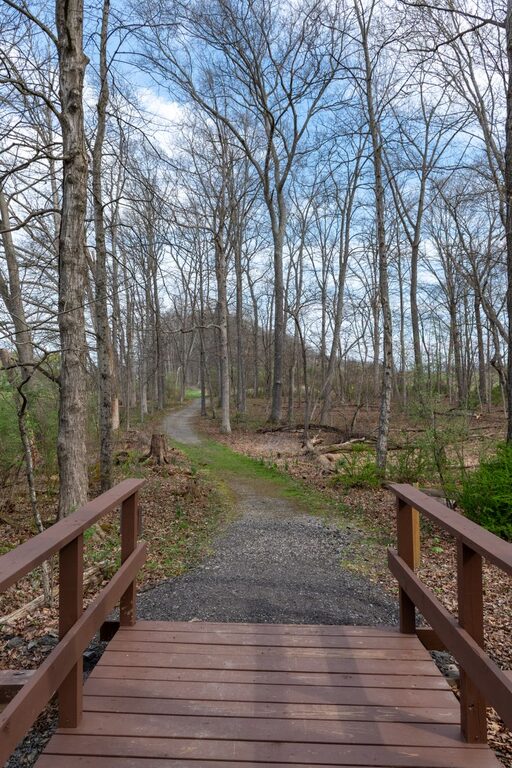
A nature walk can be as simple as a stroll through a local park, botanical garden, or quiet neighborhood. Choose a route with an even surface if you prefer a smoother outing. As your confidence grows, explore paths with gentle hills or varied scenery.
To make walks more engaging, try a seasonal observation challenge. Look for blooming flowers, returning birds, changing tree colors, or interesting textures along the trail. These small goals can make a familiar route feel new.
Easy Cycling
Cycling on paved paths or quiet streets offers steady movement without requiring a fast pace. Begin with a short route close to home and add distance slowly if the outing feels comfortable.
Check your bicycle before each ride. Make sure the tires are filled, the brakes work properly, and the seat is adjusted to a comfortable height. A helmet and bright clothing can also help you feel more prepared on shared paths and roads.
Gardening
Gardening is a practical way to spend time outside while staying active. Planting, watering, weeding, and arranging containers involve regular movement. You can choose small tasks, such as tending a few pots on a balcony, or take on a larger garden project.
Break larger tasks into shorter sessions. Changing positions and taking regular pauses can make gardening more comfortable and enjoyable.
Summer Activities: Make the Most of Longer Days
Summer provides plenty of daylight for outdoor movement, but warmer temperatures call for thoughtful planning. Earlier mornings and later evenings are often more comfortable than the hottest part of the day.
Water Walking and Easy Swimming
Water-based activities can be gentle and refreshing. Water walking in a pool or calm shoreline area offers a steady way to move while enjoying a cooler environment. Easy swimming is another option for people who enjoy being in the water.
Choose supervised swimming areas when possible, and follow posted rules. Bring water, take breaks, and plan outings around comfortable weather conditions.
Paddle Activities
Calm-water kayaking, canoeing, and stand-up paddleboarding can provide a relaxed outdoor experience. These activities combine upper-body movement with time on a lake, slow-moving river, or protected coastal area.
Beginners should start in calm conditions and use appropriate safety equipment. A short session close to shore can be a good introduction before trying a longer route.
Outdoor Stretching
A park, backyard, or quiet patio can serve as a simple setting for gentle stretching and mobility exercises. Bring a mat or towel and choose a level surface. Keep movements slow and controlled, using the time to focus on breathing and posture.
Outdoor stretching can also be combined with a short walk before or after the session.
Fall Activities: Enjoy Changing Scenery
Fall offers cooler temperatures and colorful landscapes. It is a good season for exploring new routes and adding variety to an established routine.
Scenic Hiking
Choose trails that match your experience and the available daylight. A gentle trail through a forest, park, or open space can provide a rewarding outing without requiring a difficult climb.
Wear shoes with good traction, especially when leaves cover the path. Check the forecast before leaving, and bring a light layer in case temperatures change.
Walking Tours
Create a self-guided walking tour of your community. Visit local landmarks, public art, historic buildings, or farmers markets. You can plan a route in advance or explore one neighborhood at a time.
Walking with a friend can make the activity more social. If you prefer solo outings, share your route and expected return time with someone you trust.
Outdoor Photography
Photography encourages you to walk, pause, observe, and explore. Look for seasonal details such as changing leaves, pumpkins, textured tree bark, or reflections in water. You do not need professional equipment; a phone camera can be enough.
Set a simple goal, such as taking photos of five different colors or finding three interesting patterns. This turns a regular walk into a creative activity.
Winter Activities: Stay Moving in Cooler Weather
Winter does not have to end your outdoor routine. The right clothing, route, and timing can make cold-weather activities more comfortable.
Gentle Snow Walking
If conditions are safe, walking on packed snow can offer a peaceful way to enjoy winter scenery. Select maintained paths and avoid routes with ice or poor visibility. Footwear with strong traction can help you feel more secure.
Keep outings shorter when temperatures are low, and choose familiar areas where you can return easily.
Snowshoeing
Snowshoeing on flat or gently rolling terrain can be a relaxed way to explore snowy landscapes. Many parks and outdoor centers offer equipment rentals, making it possible to try the activity before investing in gear.
Start with a brief route and allow extra time for changing conditions. Dress in layers so you can adjust as your body warms up.
Outdoor Skating
Ice skating at a maintained rink can be a fun seasonal activity. Casual skating does not need to be fast or competitive. Focus on smooth, controlled movement and take breaks as needed.
If you are new to skating, choose a rink with open practice areas and consider using a support rail while you become familiar with the surface.
Tips for Staying Active All Year
A few simple habits can make outdoor activity easier to maintain:
– Keep a short list of activities for different weather conditions.
– Choose a regular time of day for movement.
– Invite a friend or family member to join you.
– Keep basic outdoor gear ready near the door.
– Start with short outings and build gradually.
– Check the forecast and daylight hours before leaving.
– Bring water, even on cooler days.
– Wear layers suited to the temperature.
– Select well-maintained routes and public spaces.
– Have an indoor backup plan for unsafe conditions.
Make Outdoor Movement Enjoyable
The best activity is one you are likely to repeat. Try different options throughout the year and notice which settings, schedules, and companions make movement more enjoyable. Some days may call for a long nature walk, while others may be better suited to a few minutes of gardening or stretching.
Low-impact outdoor activities can become a lasting part of your routine when they are comfortable, flexible, and connected to something you enjoy. By adapting your plans to each season, you can continue spending time outside and staying active throughout the year.