






Gardening can be a rewarding way to spend time outdoors while adding gentle movement to your day. You do not need a large yard, heavy tools, or an ambitious project to stay active. Small tasks such as watering plants, spreading mulch, or arranging containers can keep you moving while still allowing you to work at a comfortable pace.
The key is to choose projects that match your space, time, and energy. Plan a little, change positions often, and break larger tasks into smaller steps. These simple habits can make gardening feel enjoyable rather than exhausting.
Create a Container Garden
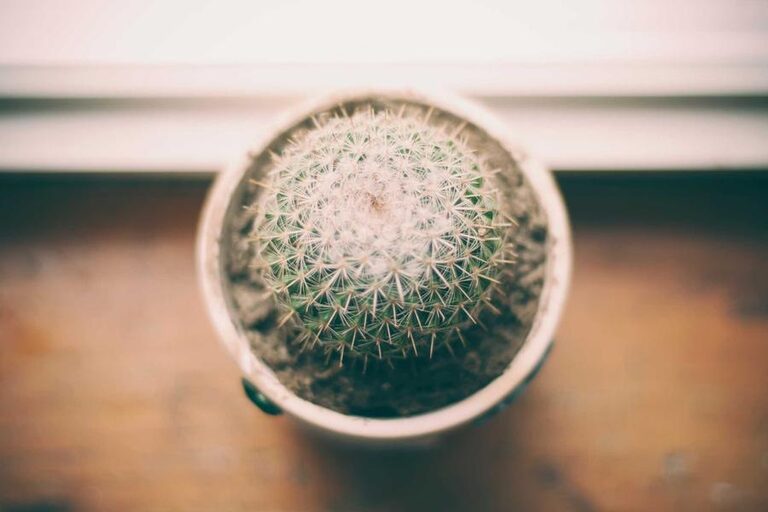
Container gardening is one of the easiest ways to add movement to your routine. Pots can be placed on a patio, balcony, porch, or windowsill, making them useful for small spaces.
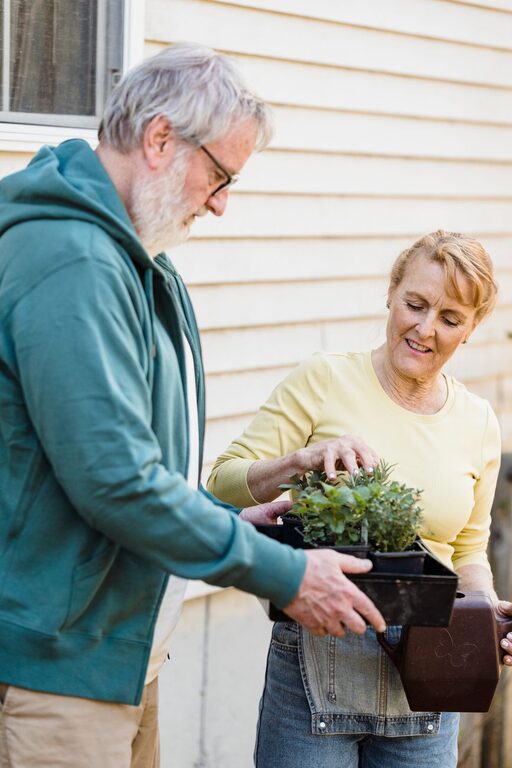
Start with a few containers rather than a large collection. Choose plants with similar light and watering needs, such as herbs, flowers, or compact vegetables. You can move between pots while filling them, planting seeds, watering, and removing faded leaves.
To make the project more comfortable:
– Use lightweight containers made from plastic, resin, or fabric.
– Fill pots close to their final location.
– Keep a small watering can nearby.
– Choose containers with wide openings for easier planting.
– Place pots on stands or raised surfaces when possible.
A container garden also provides small tasks throughout the week. Checking soil, trimming plants, and harvesting herbs can turn a few minutes outdoors into a pleasant daily habit.
Build a Small Herb Garden
An herb garden is a practical project with plenty of light activity. You can grow herbs in containers, a raised bed, or a narrow strip along a walkway. Popular choices include basil, parsley, thyme, mint, chives, and rosemary.
Begin by preparing one small area. Clear away loose debris, add soil if needed, and place your plants with enough room to grow. Arrange the herbs by height or color to create an attractive display.
Maintaining an herb garden involves several short activities:
- Water the plants.
- Check for weeds or fallen leaves.
- Trim herbs for cooking.
- Refresh the soil surface with compost.
- Label plants with simple markers.
Because these tasks are brief, you can spread them across several days instead of completing everything at once. Harvesting herbs also gives the project a useful purpose, turning garden time into a connection between growing and cooking.
Design a Pollinator Friendly Corner
A small pollinator-friendly garden can be both beautiful and easy to maintain. Select a sunny area and add a few flowering plants that bloom at different times. Native plants are often a practical choice because they are suited to local growing conditions.
You can create this project in a small bed or several containers. Arrange plants at different heights, leaving enough space to walk around them. Add a shallow dish of clean water with a few stones that provide landing spots, and refresh it regularly.
Light tasks may include:
– Planting flowers one section at a time.
– Adding a thin layer of mulch.
– Removing damaged leaves.
– Observing visiting bees and butterflies.
– Recording which plants are blooming.
This type of garden encourages you to move slowly and pay attention. Instead of rushing through a list of chores, you can take short walks around the planting area and enjoy the changes from week to week.
Make a Simple Garden Path
A garden path can improve the look and layout of an outdoor space while giving you a manageable project. Use stepping stones, wood chips, gravel, or other suitable materials to create a route between planting areas.
Start by marking a short path. Clear only the area you plan to complete that day, then add the surface material in small amounts. A path does not need to cover the entire garden immediately. You can extend it later as time and energy allow.
For an easier approach:
– Work on one small section at a time.
– Use a bucket or small cart instead of carrying large loads.
– Choose materials that are easy to spread.
– Keep the path wide enough for comfortable walking.
– Pause to check that the surface is even.
Once finished, the path adds more opportunities for gentle movement. You can walk through the garden while watering, checking plants, or collecting fallen leaves.
Refresh a Raised Bed
Refreshing a raised bed is a useful seasonal project that can be divided into several short sessions. Remove old plant material, loosen the top layer of soil, and add compost or fresh soil as needed.
Rather than bending over the bed for a long time, work from one side and move around as you progress. A small hand tool can help with light cultivation, while a garden scoop makes it easier to add soil in controlled amounts.
After the bed is ready, plant a few vegetables or flowers. Leafy greens, radishes, beans, and compact flowers can be good choices for a simple planting plan. Leave clear spaces between rows so you can water and harvest without reaching too far.
A raised bed can also be decorated with plant labels, a simple border, or a trellis for climbing plants. These finishing touches add creativity without requiring a major construction project.
Add a Garden Cleanup Routine
Garden cleanup does not have to be a single large chore. A short routine can keep the space tidy while giving you regular reasons to move outdoors.
Choose one or two tasks for each visit. You might sweep a small path, gather fallen branches, remove a few weeds, or organize hand tools. Use a basket or small bucket to collect several items at once, then return to your storage area when it is full.
Try rotating tasks to avoid spending too long in one position. For example, alternate between walking, standing, light reaching, and sitting while sorting seeds or cleaning tools. Keep frequently used items in an easy-to-reach location so you do not need to carry them far.
Plan for a Comfortable Pace
Any gardening project becomes more manageable when it is planned around short work periods. Before beginning, decide what you would like to finish and what can wait. Keep water nearby, wear comfortable clothing, and choose tools with handles that feel easy to hold.
Take regular breaks before you feel worn out. You can use break time to enjoy the garden, make notes about your plants, or plan the next small step. If a task feels too difficult, divide it into smaller parts, use a lighter material, or ask for help with the heaviest work.
Gardening should be flexible. A few minutes of planting, watering, or walking can be enough to make progress. By choosing modest projects and giving yourself time to enjoy them, you can keep moving while creating a garden that grows at a comfortable pace.