







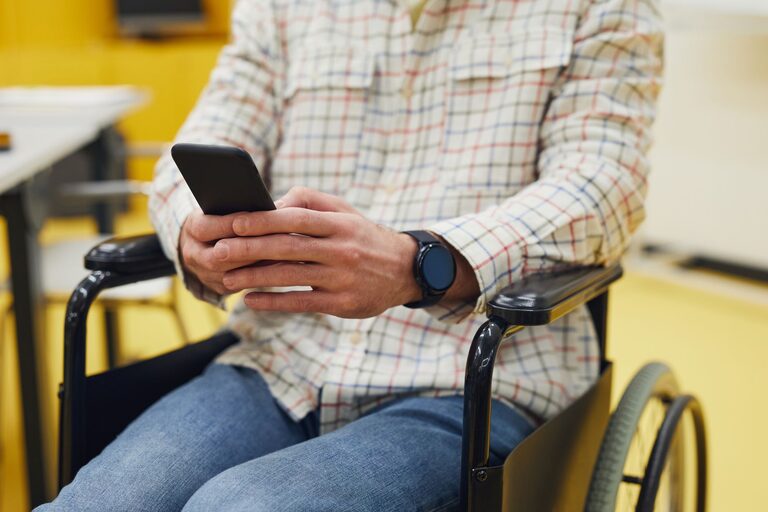
A smartphone can be a useful tool for reading messages, browsing websites, checking directions, and managing everyday tasks. However, small text, crowded screens, and complicated menus can make these activities harder than they need to be.
The good news is that most smartphones include built-in settings that improve comfort and reduce distractions. With a few adjustments, you can make your phone easier to read, simpler to navigate, and more comfortable to use throughout the day.
Start With the Display
The display is the best place to begin. Adjusting text, brightness, and contrast can make a noticeable difference in just a few minutes.
Increase Text Size
If text feels too small, increase the system font size. This usually changes the text in menus, messages, contacts, and many supported apps.
On most phones, look for settings such as:
– Display
– Accessibility
– Font size
– Text size
– Display size
Move the slider gradually until the text is comfortable to read. If the largest setting makes menus feel crowded, try one of the middle options instead.
Some phones also offer a bold text setting. Bold text can make letters easier to recognize without making them much larger.
Adjust Display Size
Text size and display size are often separate settings. Display size changes the scale of buttons, icons, menus, and other items on the screen.
A larger display size can make:
– App icons easier to identify
– Buttons easier to tap
– Menus easier to scan
– On-screen controls easier to find
After changing this setting, open a few commonly used apps to make sure the layout still feels comfortable.
Choose a Clear Display Mode
Many smartphones offer light and dark display modes. Light mode uses a bright background with dark text, while dark mode uses a dark background with lighter text.
Try both options in different lighting conditions. Some people prefer dark mode in low-light settings, while others find light mode easier for reading longer passages.
You may also be able to schedule display modes to change automatically at certain times.
Improve Contrast and Visibility
Better contrast can help separate text, icons, and buttons from the background.
Look in the Accessibility or Display settings for options such as:
– High contrast text
– Increased contrast
– Reduce transparency
– Color filters
– Bold text
– Remove animations
Reducing transparency can make menus and notification panels look less busy. Removing or reducing animations may also make the phone feel faster and easier to follow.
If your phone includes a color filter, test it carefully. Color filters are useful for some viewing preferences, but they can change how photos, maps, and other visual content appear.
Make Reading More Comfortable
Once the basic display settings are ready, adjust the phone for longer reading sessions.
Turn On a Reading or Comfort Mode
Many phones include a setting called Night Light, Reading Mode, Eye Comfort, or a similar name. This setting changes the color temperature of the screen, often making it warmer in the evening.
You can usually:
– Turn the feature on manually
– Set it to run from sunset to sunrise
– Choose a custom schedule
– Adjust the warmth or intensity
Use a level that feels comfortable without making the screen look unusually yellow.
Use Built-In Reading Tools
Some phones can read selected text aloud. This can be helpful when reviewing a long article, email, or set of instructions.
To find this feature, check Accessibility settings for options such as:
– Select to Speak
– Speak Screen
– Text to Speech
– Read Aloud
You may need to select text first, then choose an audio or speak option from the menu. The wording varies between phone models.
Text-to-speech settings may also let you adjust the voice, language, speed, and pronunciation. Start with a moderate speed and change it gradually until it is easy to follow.
Adjust App Text Separately
System text settings do not always affect every app. Many reading, messaging, and web browser apps have their own text controls.
When reading, look for:
– An Aa button
– A text size menu
– Reader view
– Page display settings
– Zoom controls
Reader view can remove advertisements, sidebars, and other page elements, leaving a cleaner version of the article. This is especially useful for longer web pages.
Simplify the Home Screen
A crowded home screen can make it difficult to find important apps. Simplifying it can improve both reading and navigation.
Keep your most-used apps on the first screen, such as:
– Phone
– Messages
– Maps
– Camera
– Web browser
– Calendar
– Notes
Move less frequently used apps to another screen or place them in clearly named folders. For example, you might create folders called Reading, Travel, Communication, and Tools.
Avoid placing too many widgets on the home screen. Widgets can be useful, but a busy layout may make icons and information harder to identify.
Use Large, Clear App Icons
If your phone supports it, increase the icon size or choose a simple home screen layout. Clear icons with labels are often easier to recognize than a compact grid of small symbols.
You can also choose a plain wallpaper with strong contrast. A simple background helps icons stand out.
Make Navigation Easier
Navigation apps are most useful when their instructions are clear and easy to hear.
Set Up Voice Guidance
Open your preferred maps app and review its navigation settings. You may be able to adjust:
– Voice volume
– Voice language
– Guidance volume
– Route options
– Map colors
– Automatic rerouting
– Walking, driving, or public transportation preferences
Test voice guidance before starting a trip. Confirm that the instructions are loud enough to hear without being uncomfortable.
If you use a vehicle, connect the phone to the car’s audio system when possible. Avoid handling the phone while moving, and set your destination before beginning the trip.
Download Offline Maps
Some map apps allow you to save areas for offline use. This can be helpful when traveling through areas with a weak connection.
Before downloading a map:
- Open the map app.
- Search for the area you need.
- Find the offline map option.
- Select the region.
- Download it while connected to Wi-Fi.
- Check the saved map before leaving.
Offline maps may not include every live feature, such as current traffic information, so review the available functions in advance.
Save Common Places
Save frequently visited locations, such as home, work, a library, or a family member’s address. Saved places reduce typing and make route planning faster.
Use labels that are easy to recognize. A short name such as “Home” or “Library” is usually more useful than a long address.
Use Voice Commands and Shortcuts
Voice commands can reduce the need to type or search through menus. Most smartphones include a built-in voice assistant that can perform simple tasks.
You may be able to use voice commands to:
– Call a contact
– Send a message
– Set a reminder
– Open an app
– Start navigation
– Check the weather
– Create a note
Review your phone’s voice assistant settings and learn a few commands you expect to use often. Speak clearly and confirm important information before sending messages or starting directions.
You can also add shortcuts to the lock screen or control center. These shortcuts may provide quick access to the flashlight, camera, settings, or other frequently used tools.
Check Your Settings Regularly
Phone updates can add new accessibility and display features. After an update, review the settings to make sure your preferred options are still active.
It is also helpful to test your setup in different situations:
– Bright outdoor light
– A dim room
– Reading a long article
– Using maps outdoors
– Wearing headphones
– Using the phone with one hand
Make small adjustments based on what feels comfortable. The best setup is not necessarily the one with every feature turned on. It is the one that helps you find information, read clearly, and complete tasks with less effort.
By improving the display, simplifying the home screen, setting up voice tools, and customizing map guidance, you can turn your smartphone into a more comfortable and practical everyday device.