






Spending time with others can be more enjoyable when everyone has a chance to move, participate, and have fun. Group activities bring people together in a relaxed setting while encouraging conversation, cooperation, and shared experiences.
The best activities do not need to be complicated or expensive. A nearby park, open room, walking path, or community space can provide everything needed for a memorable gathering. Whether you are planning an event for friends, family, coworkers, or neighbors, these ideas can help everyone feel included and engaged.
Why Group Activities Matter
Group activities offer more than entertainment. They create natural opportunities for people to talk, laugh, and work toward a common goal. Movement can also make gatherings feel more energetic and enjoyable.
A well-planned activity can help people:
– Meet others in a comfortable setting
– Build teamwork and communication skills
– Take a break from screens and daily routines
– Enjoy gentle or active movement
– Create shared memories
– Feel more involved in a group
The key is to choose activities that match the group’s interests, space, and comfort levels. Offering a few options can help people participate in ways that feel right for them.
Outdoor Activities for Groups
Scavenger Hunts
A scavenger hunt is a flexible activity that can be adapted for nearly any age group. Participants can search for items, complete simple challenges, or take pictures of specific objects.
To organize one, create a list of tasks such as:
– Find something shaped like a circle
– Take a group photo near a landmark
– Spot a certain type of plant
– Answer a question about the local area
– Collect points for completing creative challenges
Divide participants into small teams or let everyone work together. Keep the instructions simple, and make sure the route is easy to follow. A scavenger hunt can take place in a park, neighborhood, school grounds, or community center.
Group Walks With Conversation Stops
A group walk is easy to organize and can be adjusted to suit different preferences. Choose a comfortable route and add conversation stops along the way.
At each stop, ask a light question, such as:
– What is one place you would like to visit?
– What is a favorite weekend activity?
– What is a skill you would enjoy learning?
– What is a food you always like to share?
These questions give people an easy way to start conversations without putting anyone on the spot. For larger groups, consider creating smaller walking teams and changing partners during the activity.
Park Games
Classic park games encourage movement and bring out a playful spirit. Try games such as relay races, capture the flag, tag variations, or a simple ball toss.
You can make games more welcoming by offering different roles. Some people may enjoy running, while others may prefer keeping score, leading a team, or helping explain the rules. The goal is to create a shared experience rather than focus only on competition.
Creative Activities That Get People Moving
Music and Movement Games
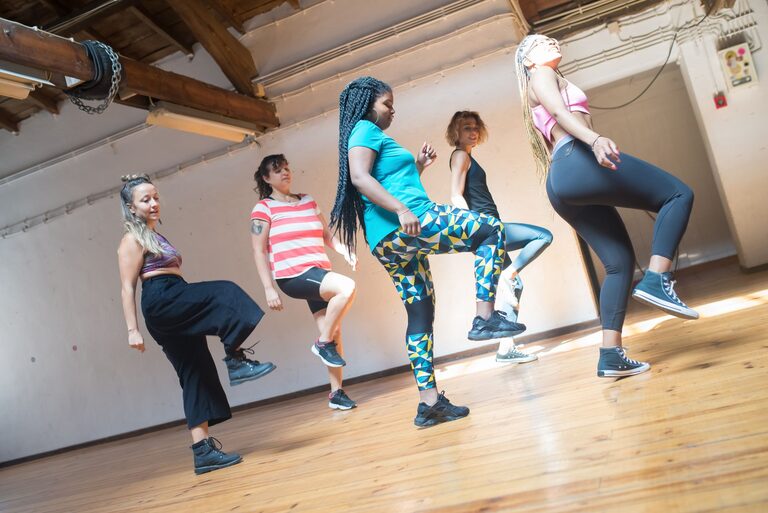
Music can quickly make a group feel more relaxed. Create a playlist with a variety of upbeat songs and invite participants to join simple movement games.
Ideas include:
– Freeze dance
– Follow the leader
– Musical statues
– Rhythm copycat games
– Group movement challenges
Keep the movements easy to follow and allow people to participate at their own pace. The activity can be playful rather than performance-based, which helps reduce pressure for people who may feel shy.
Outdoor Art Walks
An art walk combines creativity, exploration, and light movement. Give each participant a small sketchbook or a few sheets of paper, then choose a route with interesting sights.
Participants can draw:
– A tree or flower
– A building detail
– A favorite view
– A group member’s hat or shoes
– An object found along the path
At the end, invite everyone to share one drawing or describe something they noticed. The focus should be on observation and conversation, not artistic skill.
Group Gardening
Gardening is a hands-on activity that encourages cooperation and patience. Groups can plant flowers, prepare containers, create a small herb garden, or maintain a shared outdoor space.
Assign simple tasks such as preparing soil, placing seeds, watering plants, or labeling containers. Gardening naturally creates opportunities for conversation, and participants can enjoy seeing the results of their shared effort over time.
Teamwork Activities for Indoor Spaces
Cooperative Challenges
Cooperative challenges ask participants to solve a problem together rather than compete against one another. These activities work well in classrooms, meeting rooms, libraries, and community spaces.
Try challenges such as:
– Building the tallest structure with paper and tape
– Creating a bridge from craft materials
– Designing a group mural
– Moving an object through a course without touching it
– Arranging people by birthday month without speaking
Use short time limits to keep the activity lively. Afterward, ask the group what worked well and how they communicated. This reflection can be just as valuable as the challenge itself.
Indoor Walking Circuit
An indoor walking circuit can help groups stay active when the weather is not suitable for outdoor plans. Set up a simple route around a large room, hallway, or recreation area.
Add stations along the way with activities such as:
– Gentle stretching
– Tossing a soft ball
– Answering a trivia question
– Balancing a beanbag
– Completing a short dance step
– Sharing a positive observation
Keep the circuit easy to navigate and provide alternatives for anyone who prefers less movement. Participants can walk in pairs or small groups, making conversation part of the activity.
Board Game Rotation
Board games can include movement when participants rotate between tables or stations. Select games that encourage conversation, teamwork, or creativity rather than complicated rules.
Set up several stations with different options, such as a word game, drawing game, card game, and cooperative puzzle. Let participants switch tables every 15 to 20 minutes. This format helps people meet more members of the group and keeps the gathering active.
Tips for Making Activities Inclusive
A successful group activity should give everyone a comfortable way to participate. Before planning, consider the group’s age range, interests, space, and experience levels.
Keep these tips in mind:
– Explain the activity clearly before starting
– Offer seated and lower movement options
– Avoid requiring special equipment or skills
– Use small groups to make conversation easier
– Allow people to watch before joining
– Keep competition friendly and optional
– Build in water and rest breaks
– Choose safe, accessible locations
– Celebrate participation rather than winning
It can also help to provide a schedule so participants know what to expect. A clear beginning, middle, and end makes the gathering feel organized without being too formal.
Creating Lasting Connections
The most meaningful part of a group activity is often what happens before and after the main event. Leave time for casual conversation, snacks, or a short closing discussion.
Ask participants to share a favorite moment, something new they learned, or an activity they would like to try next time. These simple conversations can help turn a one-time gathering into an ongoing tradition.
Group activities do not need to be elaborate to make an impression. A shared walk, a playful challenge, or a creative project can give people the time and space to connect. With a little planning and a welcoming attitude, movement becomes a natural part of spending time together.